OwlPay Wallet Pro Enterprise
A scalable and trustworthy crypto wallet for enterprise-grade operations

ROLE
TIMELINE
TEAM
DELIVERABLES
Prototypes
Usability test
Executive presentations
Asset production
Designing beyond UI – Driving process improvements across teams
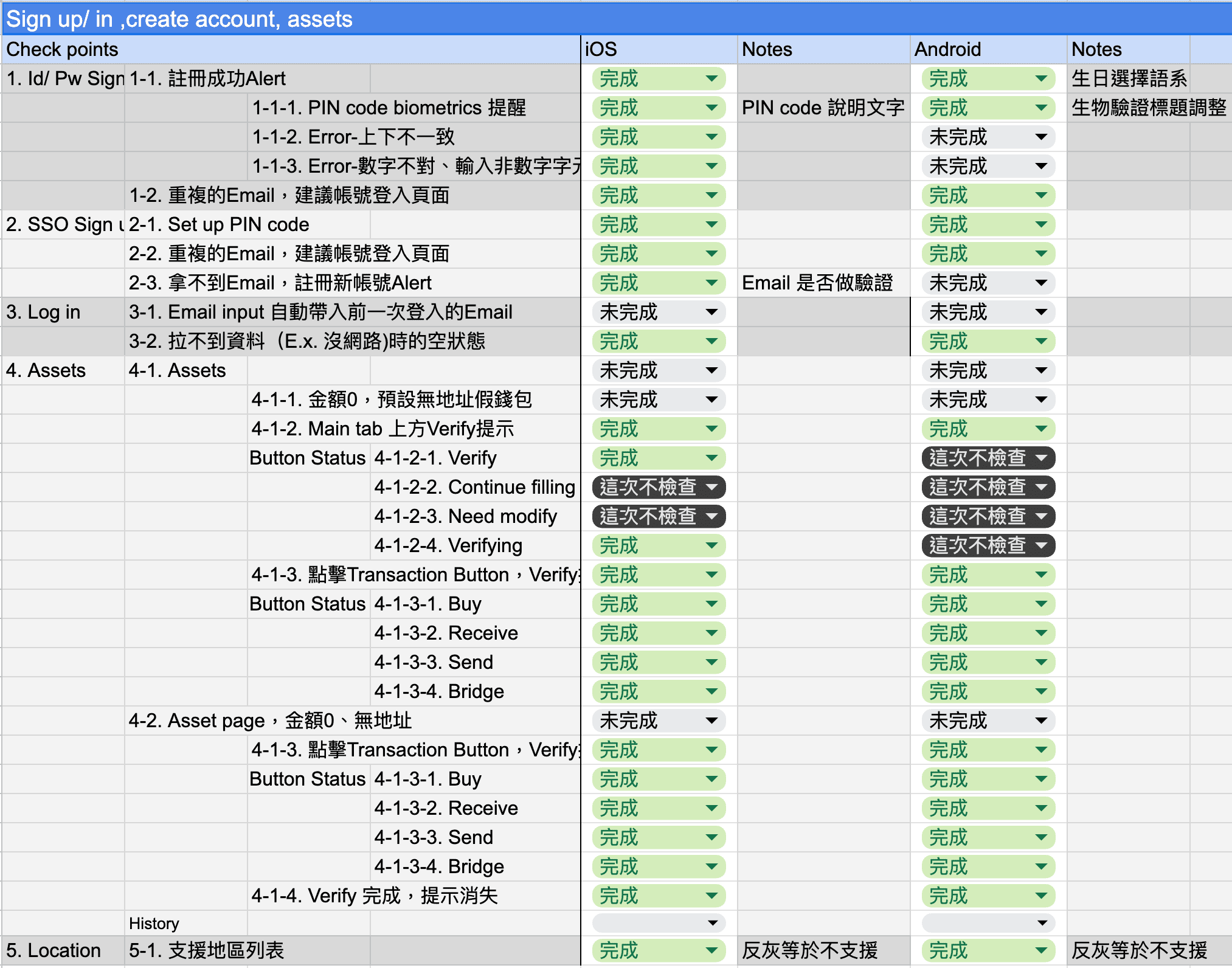
- Instead of waiting for QA post-development, designers and business teams now run a pre-dev product walkthrough with a focus on edge cases and exception states.
- Delivered a product test doc alongside the final Figma handoff, outlining all demo and review scenarios engineers needed to build for—including non-happy paths.
Background
Our goal
- Reduce the risk of sending funds to the wrong place with extra checks before transfers
- Make roles and permissions crystal clear so every action is tracked and accountable
- Help non-technical team members feel confident handling transactions with real-time clarity
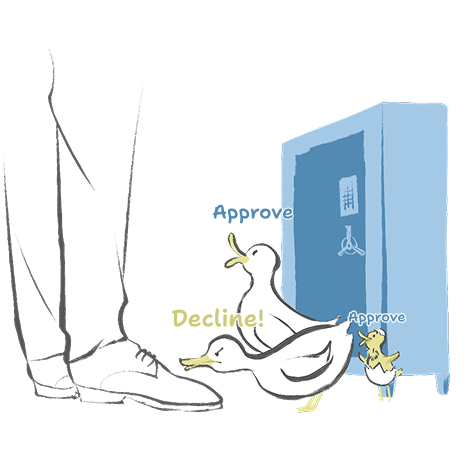
Without clear permissions and audit trails, it’s hard to know who’s handling the assets and whether they’re being used properly.
Handling large transfers without clear checks or real-time feedback feels stressful and error-prone.
How did I define the user needs?

1. User insight discovery
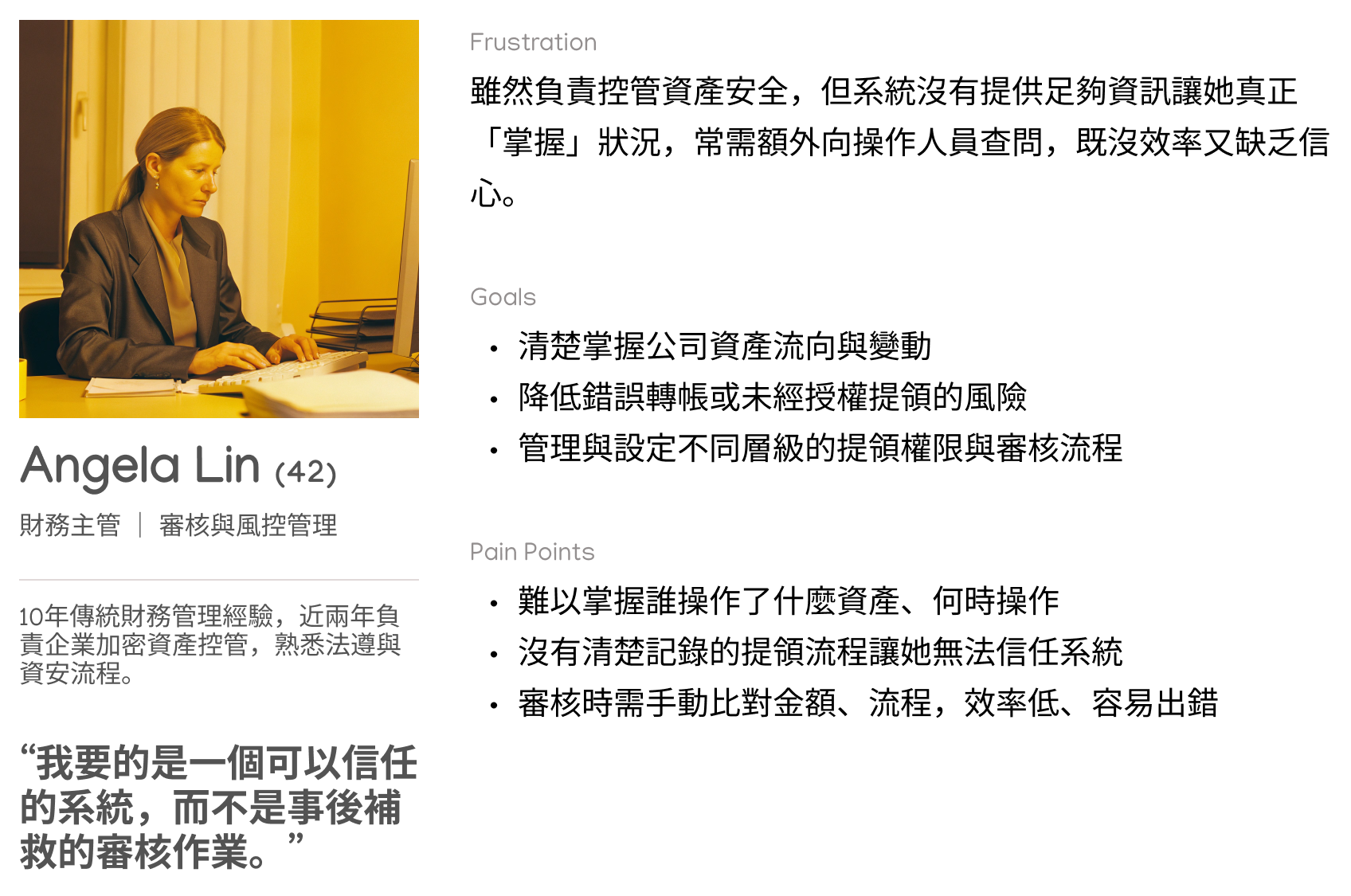
- Finance Lead – responsible for internal fund allocation and approvals
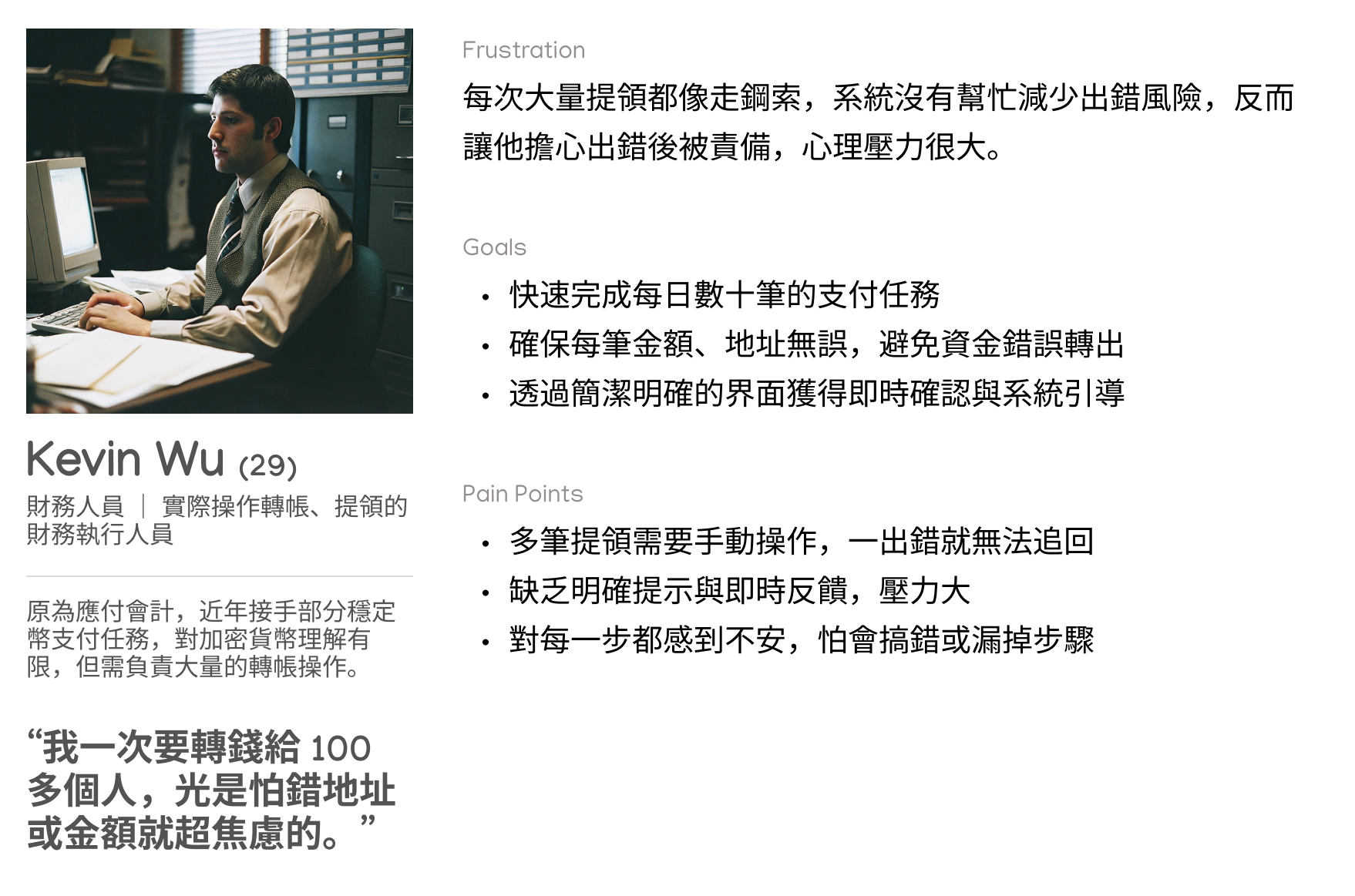
- US-based Finance Operator – handles daily transfers and vendor payments
- Internal Auditor – reviews transactions and risk-control compliance
- Without clear permissions and audit trails, it’s hard to know who’s handling the assets and whether they’re being used properly.
- Handling large transfers without clear checks or real-time feedback feels stressful and error-prone.

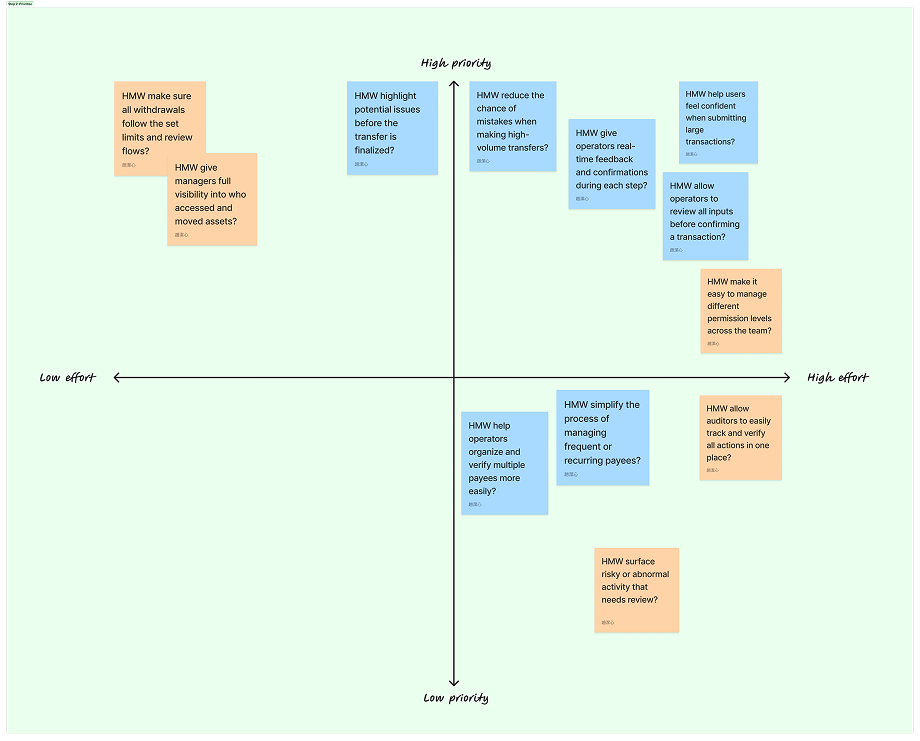
2. Synthesize & Define

3. Design principles
Clarity Over Complexity
Make asset flows and actions easy to understand at a glance.
Minimize Cognitive Load
Streamline flows to reduce user anxiety, especially for high-stakes tasks.
Support Human Oversight
Make it easy for approvers to catch issues before they become problems.
Build for Flexibility
Design with scalable, modular patterns to adapt to changing business rules.
Trust Through Transparency
Provide clear feedback and traceability to reinforce user confidence.
Proactive Risk Awareness
Surface anomalies and risky behaviors before users even notice them.

4. Design rationale
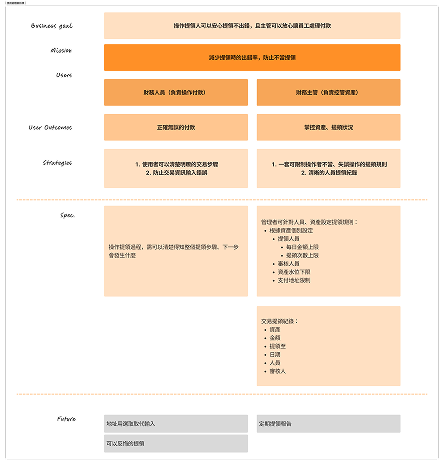

5. Structure
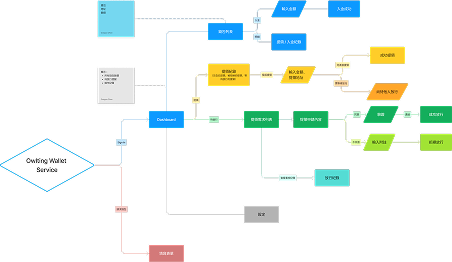
Flow chart
Wireframe

6. Validation
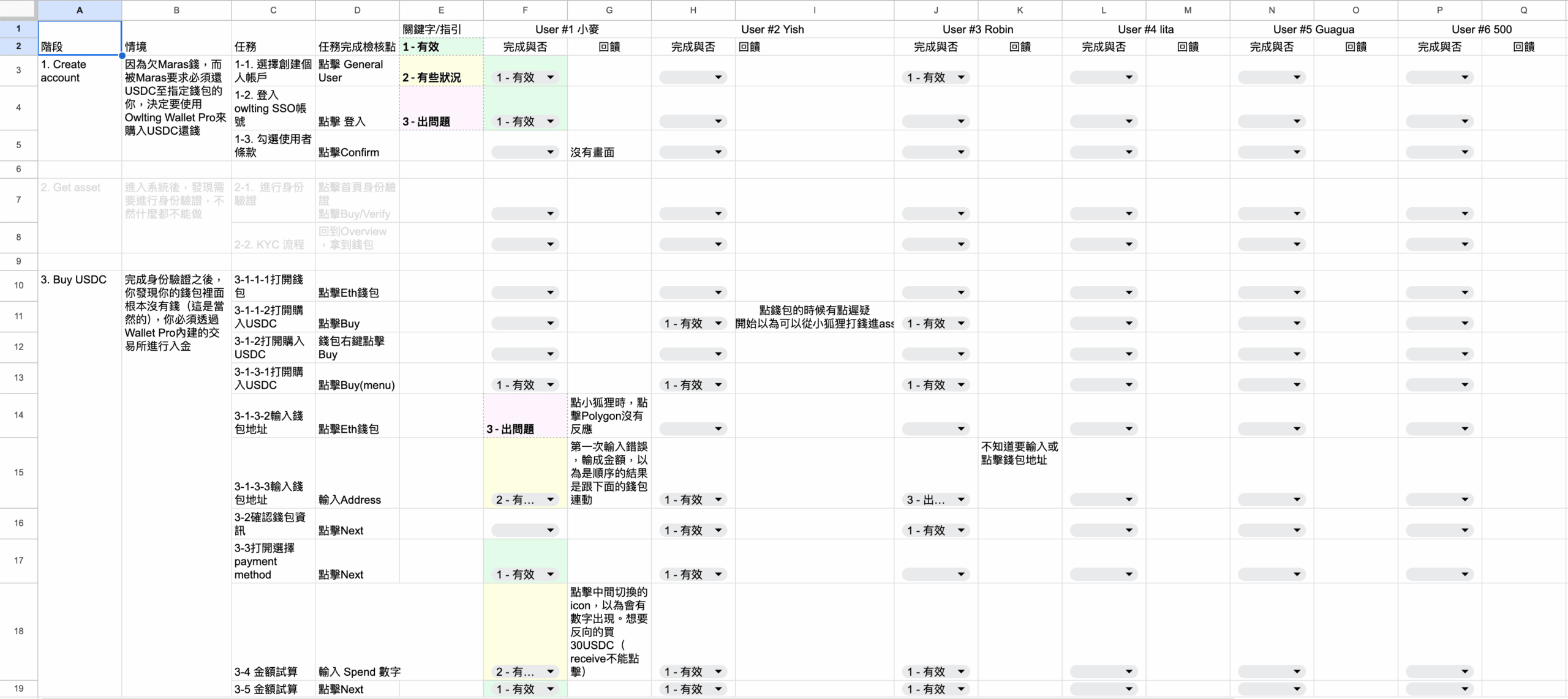
Usability Testing
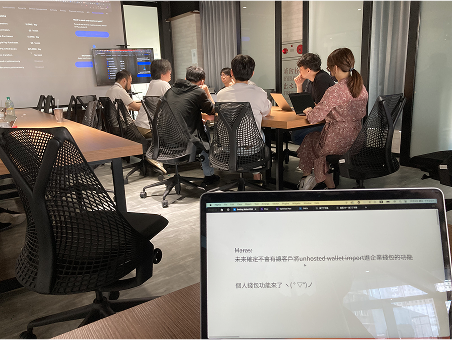
To validate the flow, I ran usability tests with 3 participants who had varying levels of experience with Web 3.0: beginner, intermediate, and advanced. Each user was asked to complete a crypto transfer task using our interface. The key findings is:
- Input field layout was misleading, causing confusion about what information was required.
- Users felt insecure due to the lack of visibility into the full transfer process (e.g. what steps were coming next).

6. Delivery
After finalizing the usability improvements, I delivered a detailed handoff package—not only including user flows and UI specs, but also clearly documented status variations and design intent behind every interaction.


7. Dev process optimization
Impact
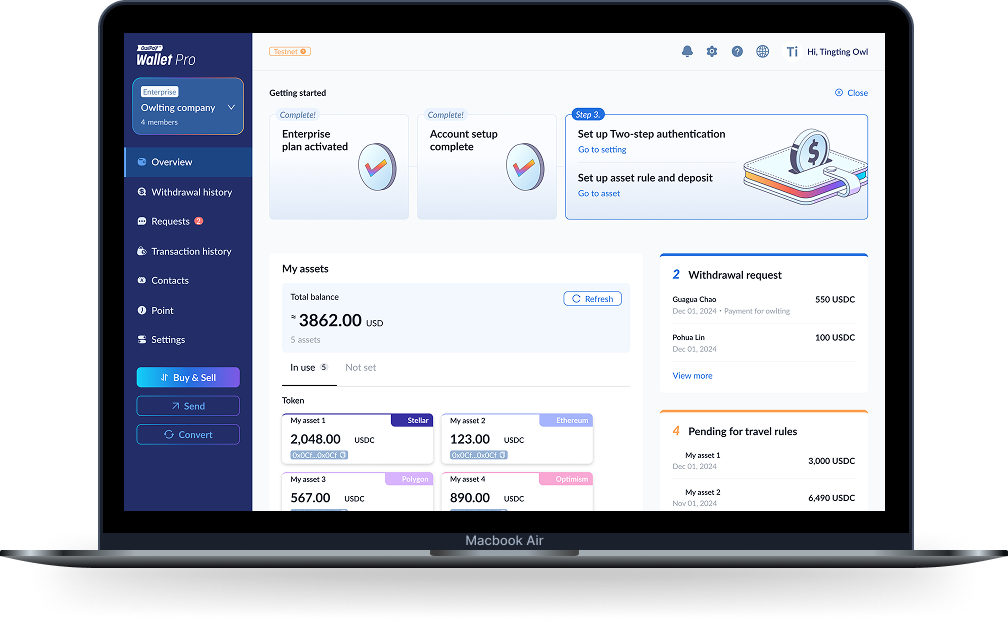
Dashboard Redesign — Improving Clarity, Conversion, and Operational Efficiency

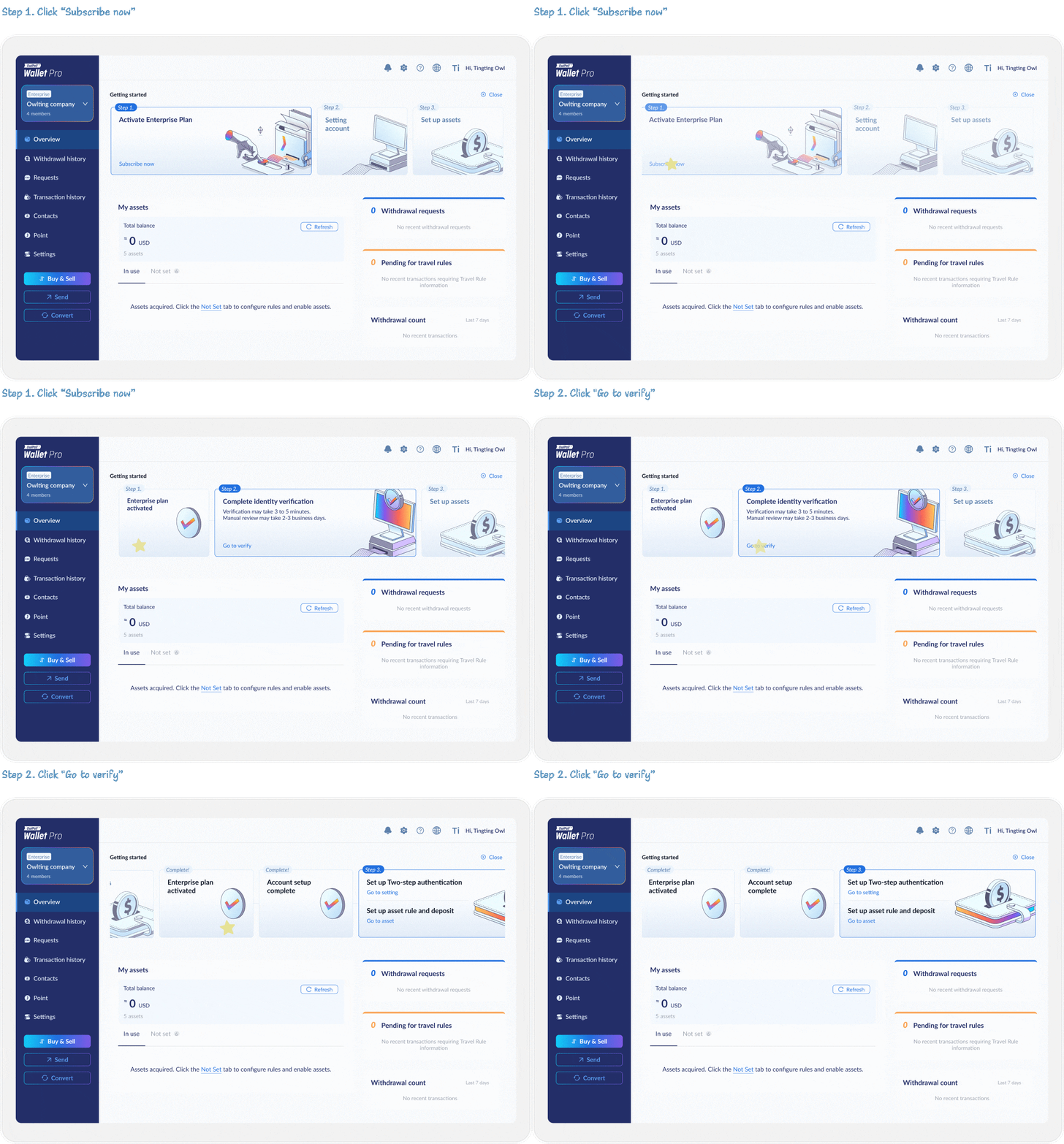
A clear snapshot of all assets, unified across wallets and chains
Objective
Background

Daily Asset Trend with Risk Alerts
The line chart shows daily balance changes, with tooltips highlighting abnormal rate fluctuations or stablecoin depegging to help users spot risks quickly.
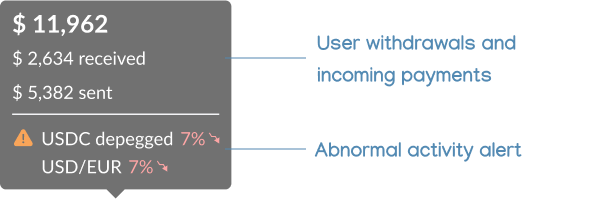
Real-Time Transaction Awareness: Status & Action Alerts
Objective
Background
Design approach
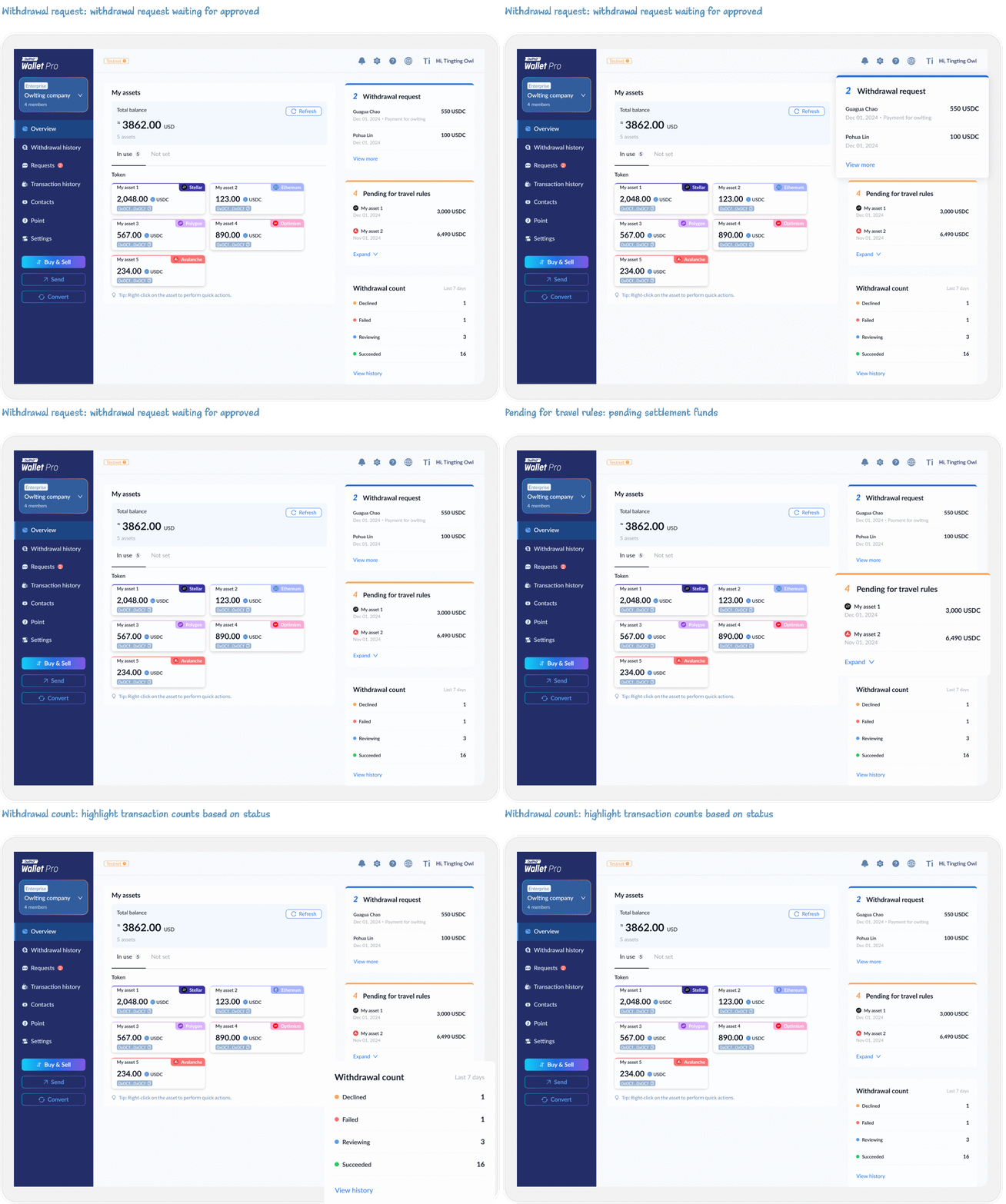
- Introduced a persistent side panel that highlights key pending actions: withdrawal approvals, incomplete Travel Rule forms, and flagged enterprise transactions.
- Added real-time indicators with transaction counts based on status (e.g., pending, needs action), helping users stay on top of critical flows without needing to dig into subpages.
Designing Granular Access & Approval Controls for Safer Crypto Treasury Operations
Objective
Background
Design Approach
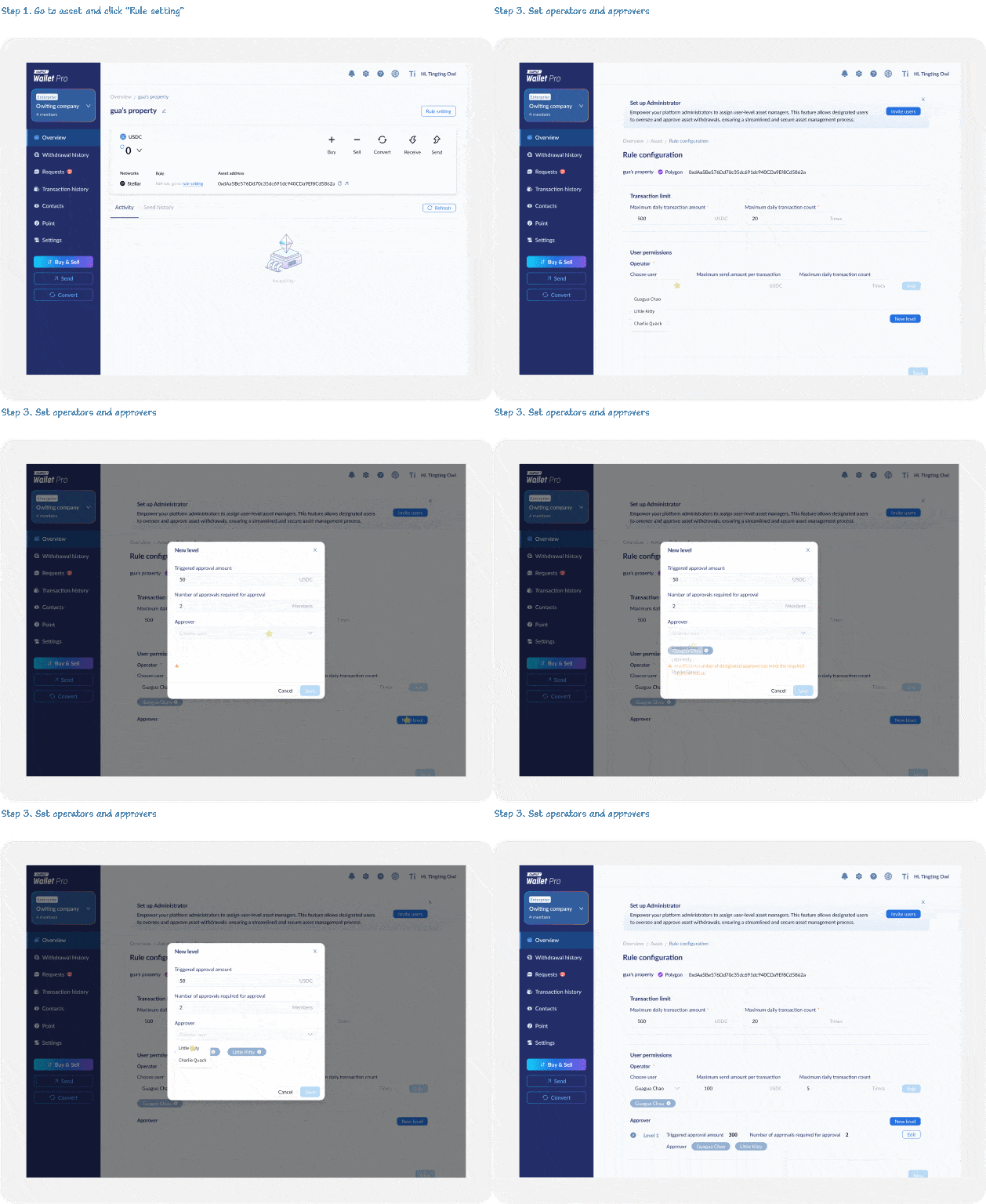
Activity tracker - Building a withdrawal tracking experience for enterprise risk control
Helping auditors detect irregularities through clear, daily visual insights
Objective
Background
Design Approach
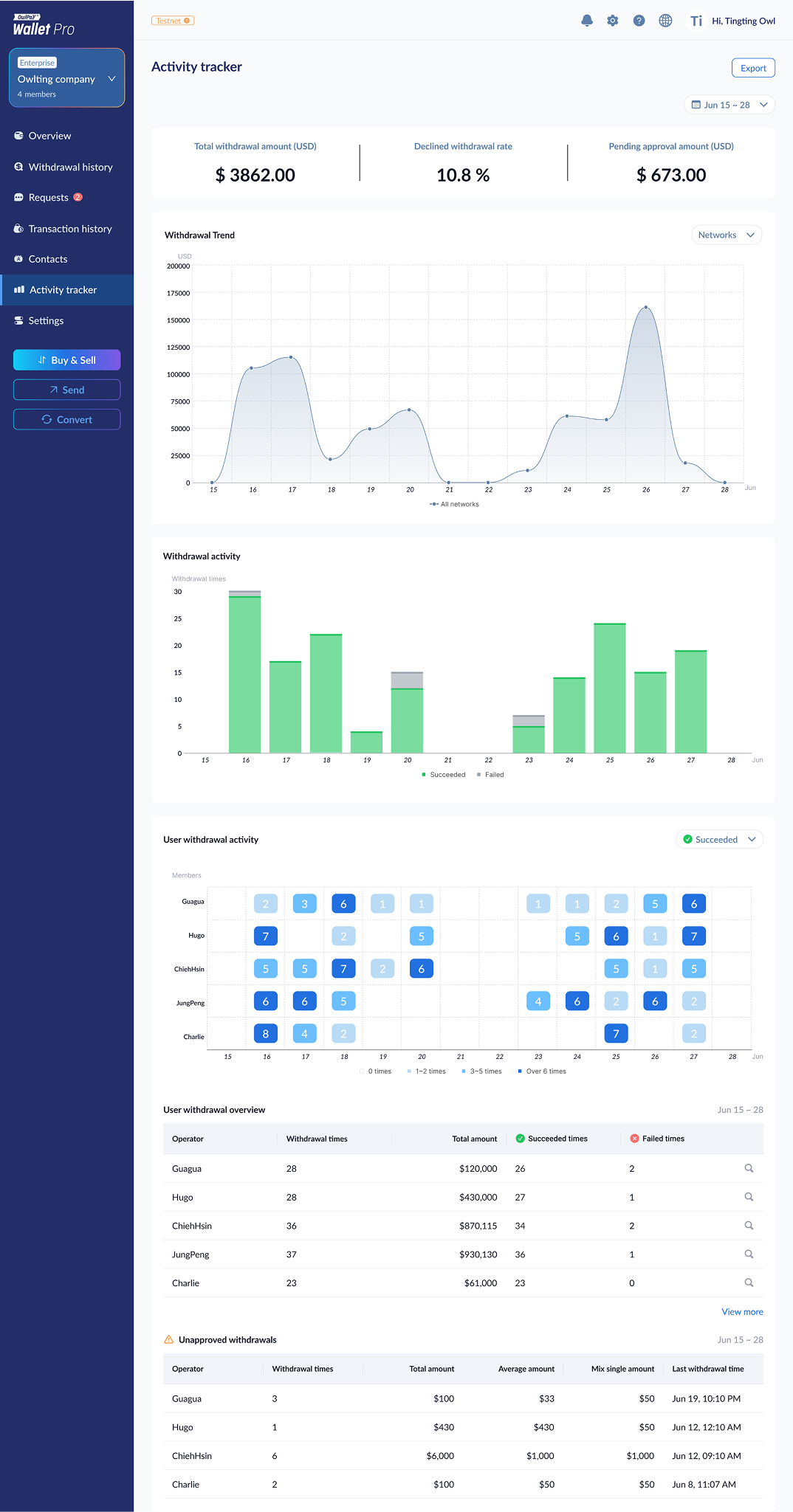
How the heatmap helps identify activity hotspots
The heatmap visualizes withdrawal actions across time and users, making it easy to spot patterns like unusually frequent operations, high-volume days, or specific users with concentrated activity. This gives auditors a quick, intuitive overview of where to focus their attention.
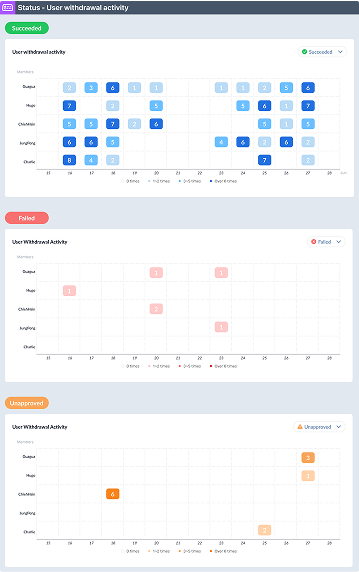
Why include a table for non-reviewed withdrawals?
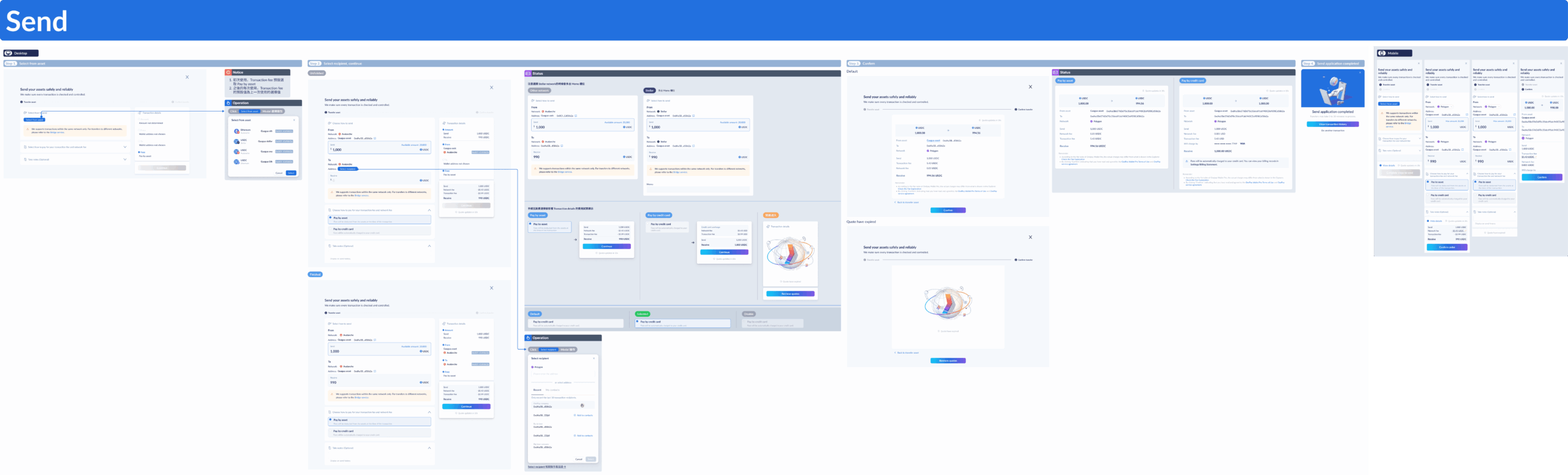
Designing a Scalable and User-Friendly Crypto Transaction Flow
Prioritizes scalability and flexibility to accommodate ongoing changes seamlessly
Objective
Background
Design Approach
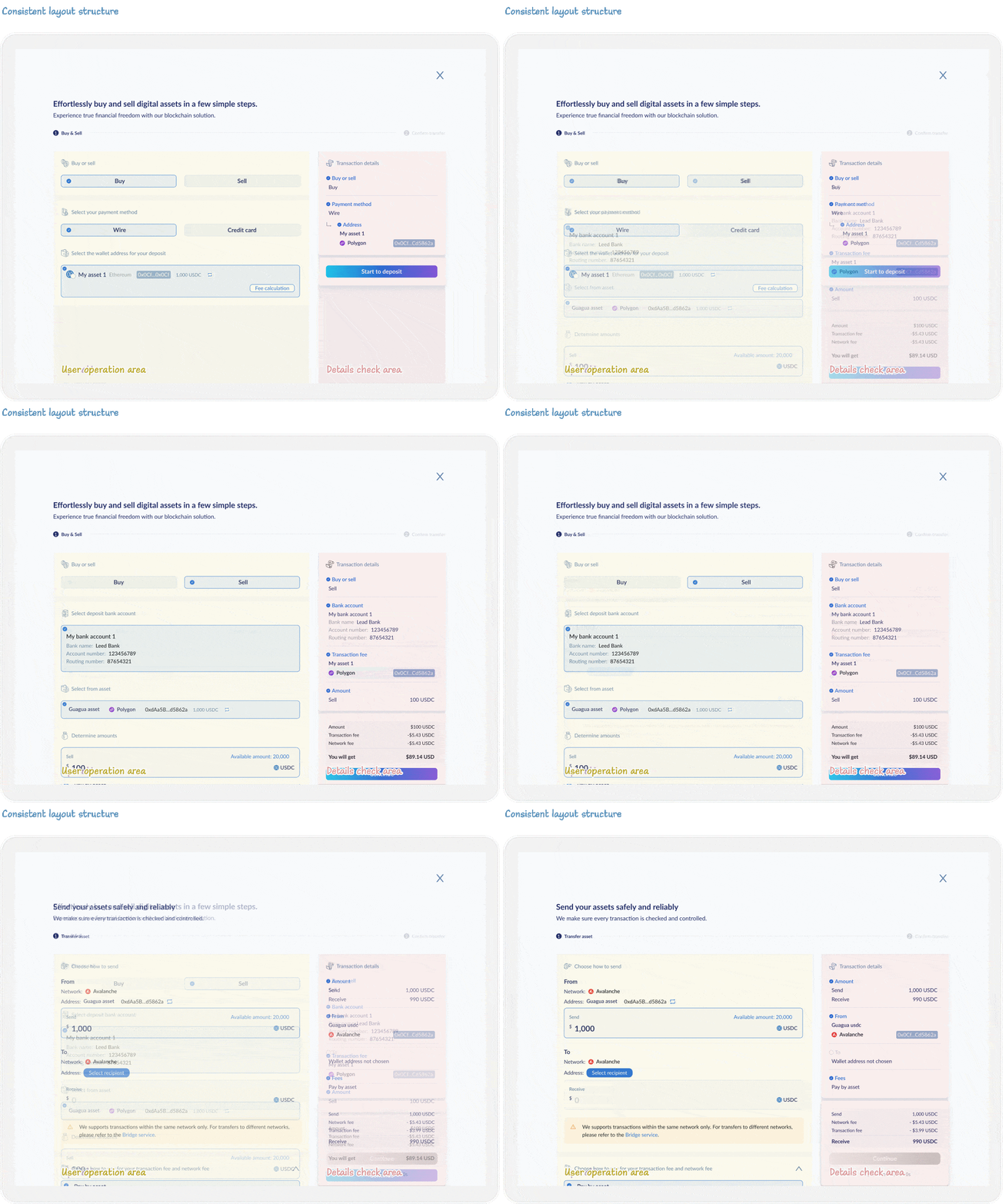
- Consistent layout structure across Buy, Sell, and Transfer flows
- Component-level flexibility for inserting different payment methods or compliance steps
- Engineering-ready structure enabled new partner integrations in just 2–3 days

For usability: The transaction flow mimics the familiar e-commerce checkout pattern. All key steps — asset selection, form input, fee confirmation, and final review — are consolidated into a single page, reducing user anxiety and cognitive load, especially for crypto newcomers.
Design system
Integration
Integration
While the color palette and token naming conventions were shared across projects (Wallet Pro App), I ensured consistent application throughout this product by adhering to the system's guidelines and component standards.
In cases where unique components or new states were needed, I extended the existing system with reusable, scalable patterns—coordinating closely with developers to align token usage and maintain visual and functional consistency.
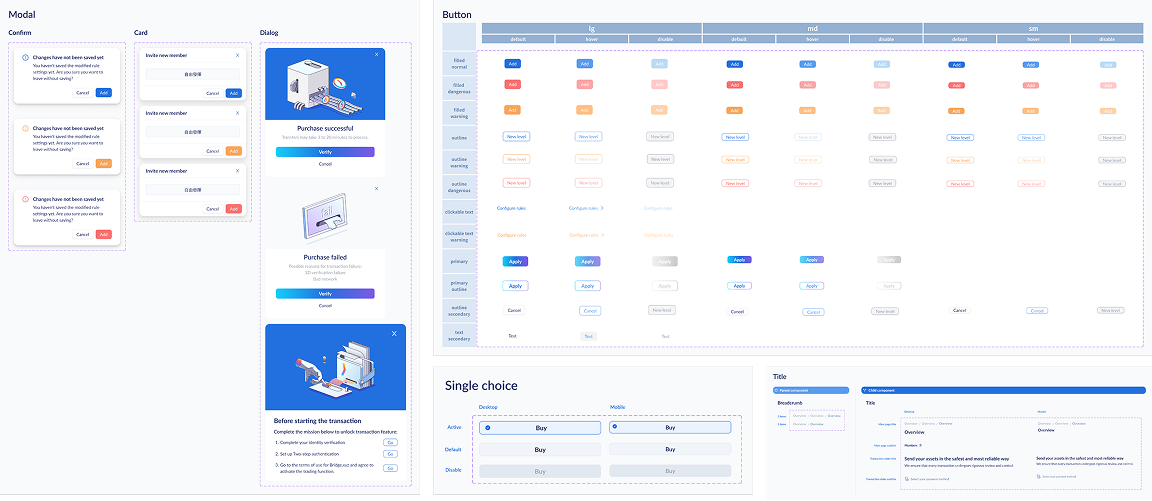
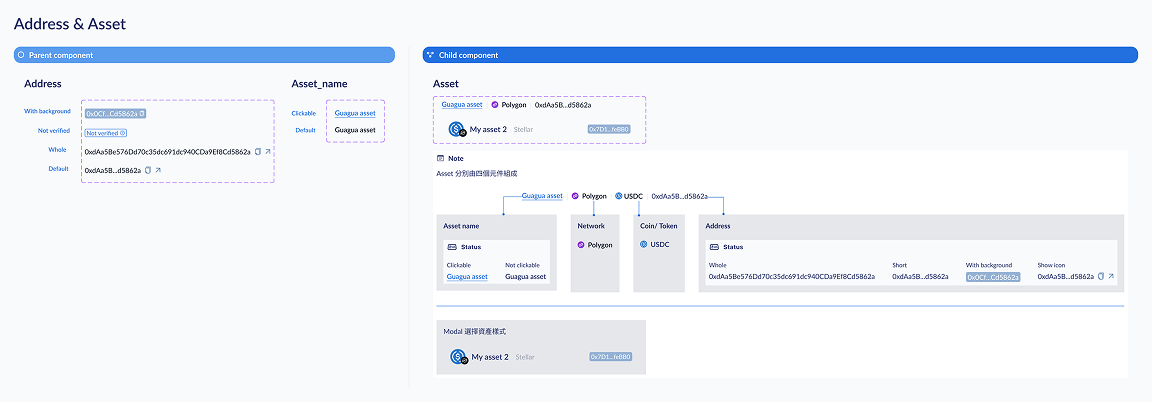
Components
For each component, I documented:
- Its primary use cases
- Variants and responsive behaviors
- All interactive and edge states
UI kids
Page template
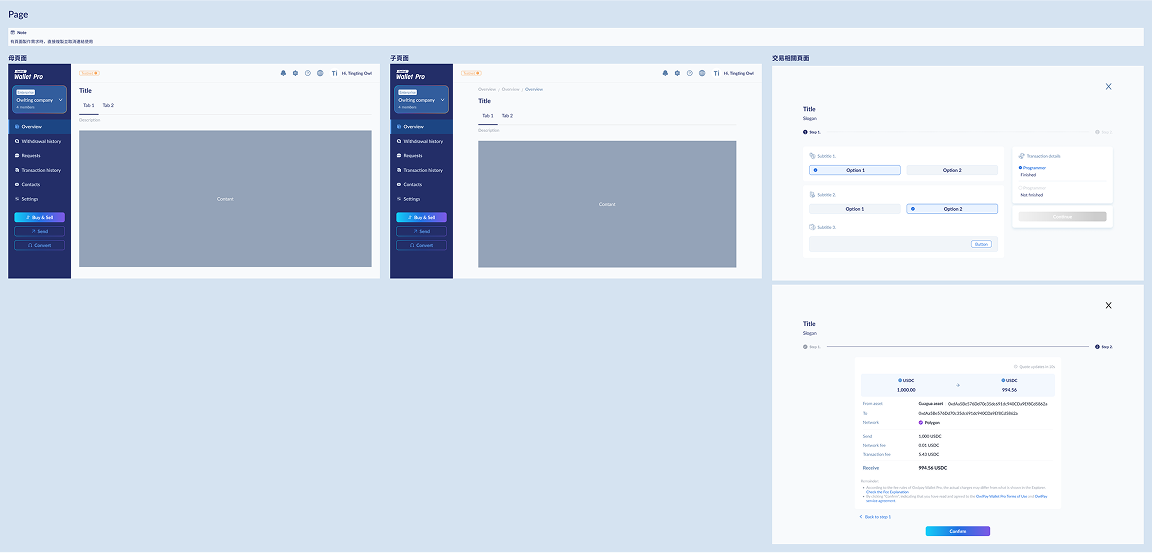
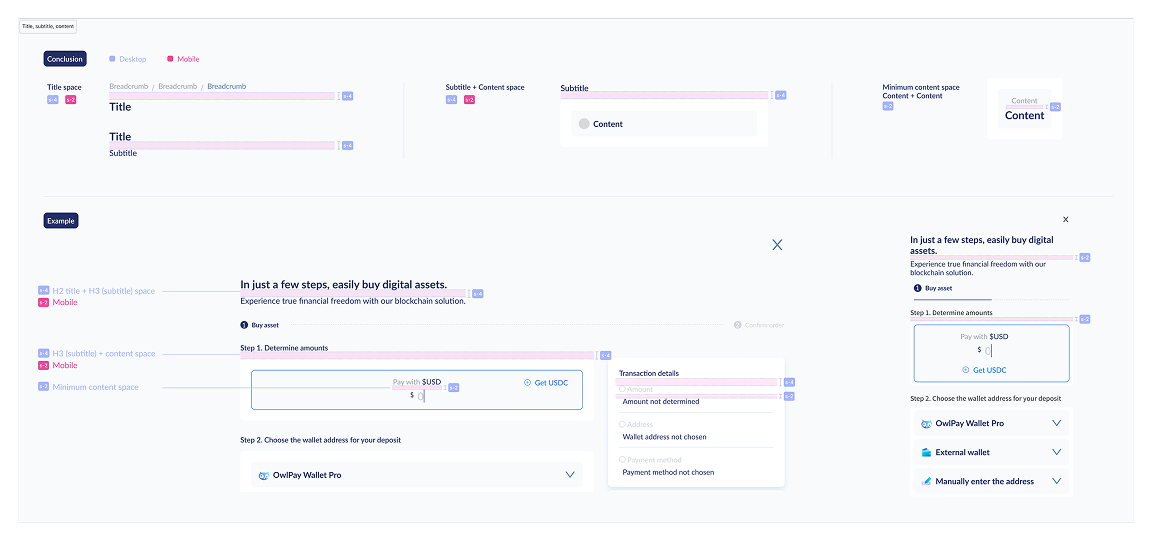
Spacing system